
Pen Mahotsav
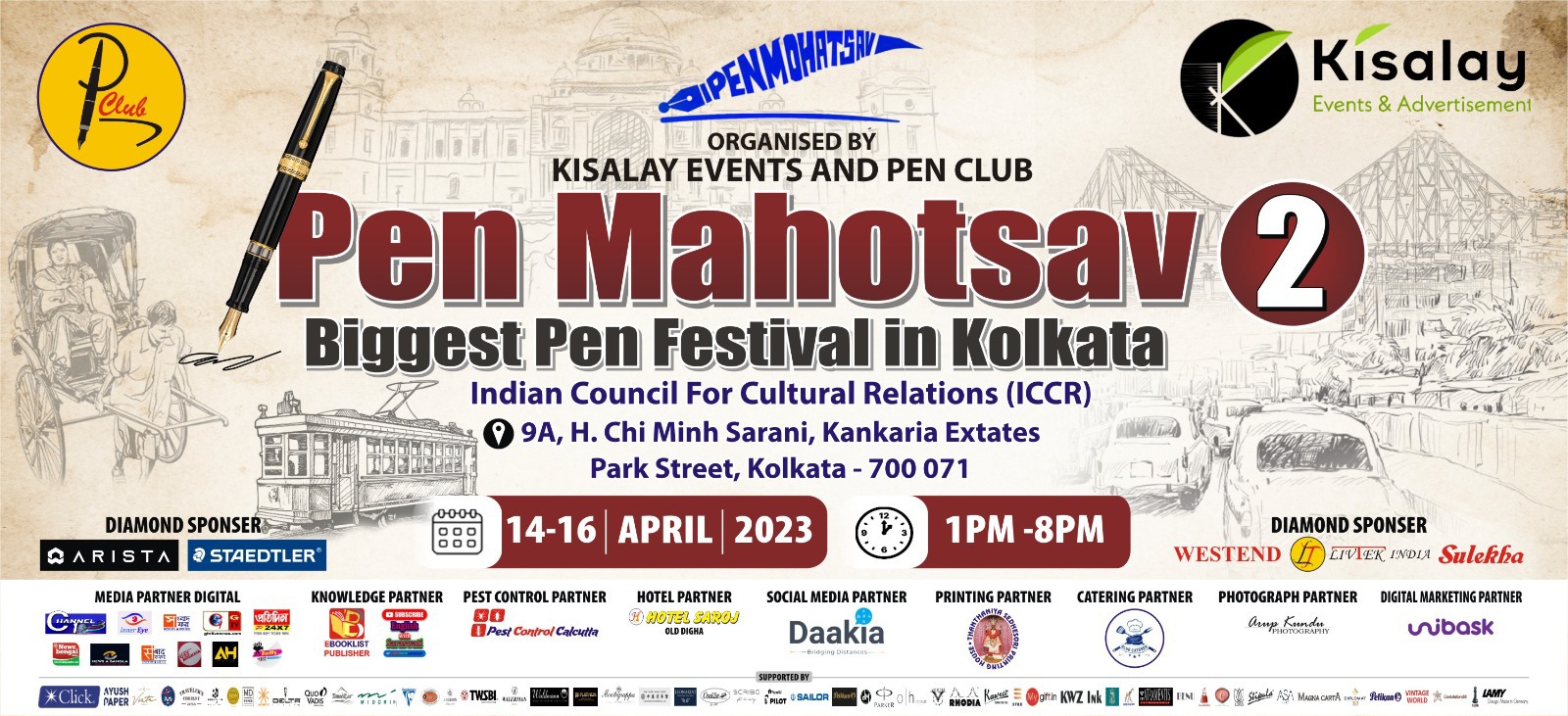
Pen Mahotsav:
The Biggest Pen Show in Kolkata

Pen Mahotsav Knowledge: A pen show is a gathering of pen enthusiasts, collectors, vendors, and industry professionals who share a love of writing instruments. These events typically feature a marketplace where vendors sell a wide variety of pens, inks, paper, and other writing accessories. Attendees can browse through the vendor tables, try out different pens, and purchase items to add to their collection.
In addition to the vendor fair, pen shows often include workshops, presentations, and seminars on various topics related to pens and writing. These sessions may cover topics such as pen repair, pen history, calligraphy, and pen design. Attendees can learn new skills, get advice from experts, and connect with others who share their interests.
Pen shows provide a unique opportunity for enthusiasts to connect with each other and share their passion for pens. They offer a welcoming and inclusive environment where attendees can learn, explore, and discover new aspects of the pen hobby. Whether you are a seasoned collector or just starting out, a pen show can be a great way to learn, socialize, and enjoy your love of pens.
Pen Mahotsav:
The Happiness of Inked and Fountain Pens
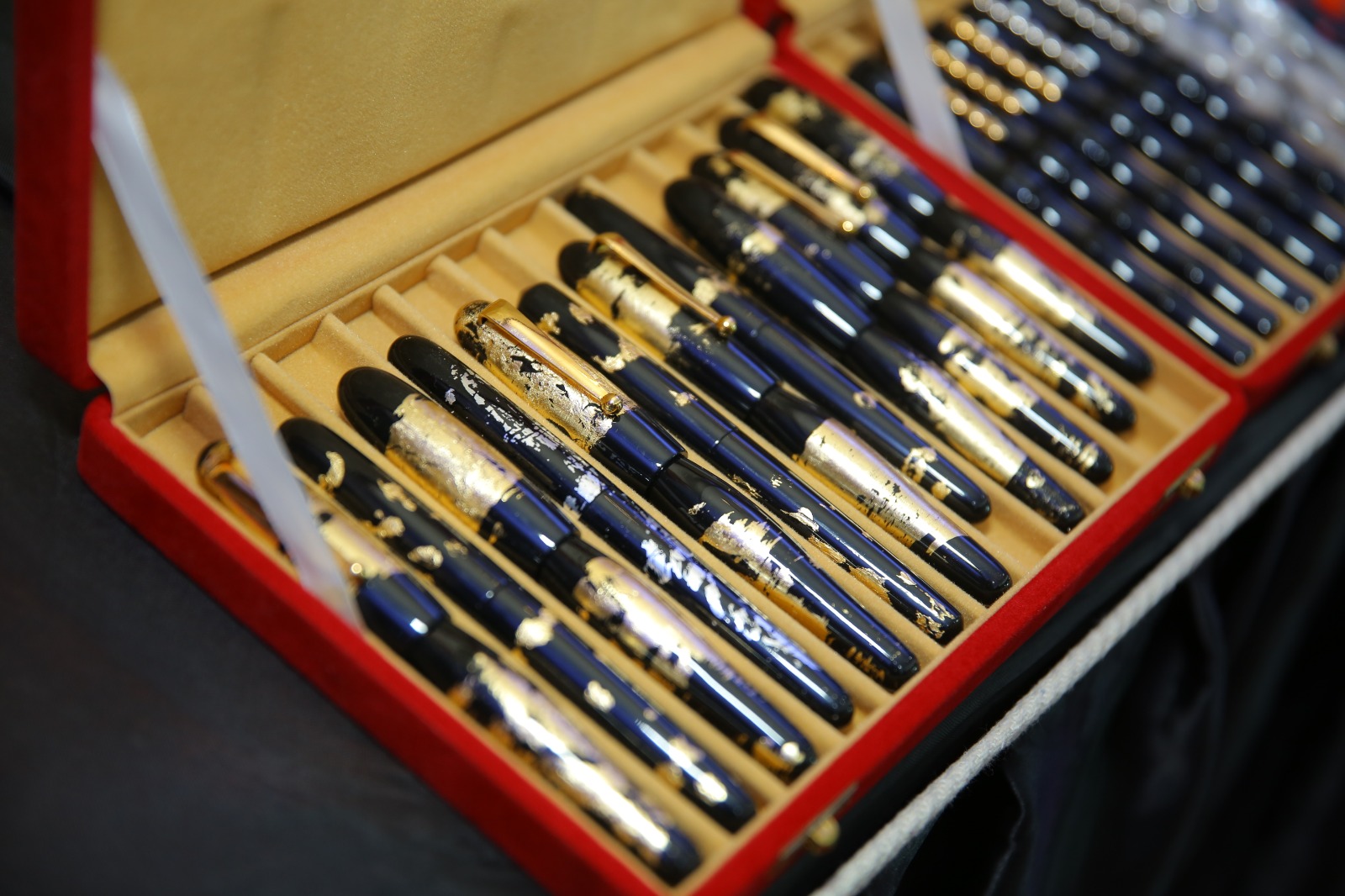
Pen Mahotsav Knowledge: There are many types of pens available today, each with its own unique features and advantages. Here are some of the most common types of pens:
Ballpoint pen: A ballpoint pen uses a small ball bearing to transfer ink onto paper. It is one of the most popular and widely used types of pens due to its reliability and ease of use.
Fountain pen: A fountain pen uses a nib and ink to produce writing. It is a traditional pen that is favored by many for its smooth writing and elegant design.
Rollerball pen: A rollerball pen uses a water-based liquid or gel ink that is similar to fountain pen ink. It produces a smooth, flowing line and is often favored by those who like the feel of a fountain pen but prefer the convenience of a ballpoint.
Gel pen: A gel pen uses a pigmented gel ink that produces a bold, bright line. It is popular for its vivid colors and smooth writing.
Marker pen: A marker pen uses a permanent, waterproof ink that is often used for drawing, coloring, or writing on non-paper surfaces such as plastic, metal, or glass.
Mechanical pencil: A mechanical pencil uses a lead that can be advanced or retracted by pressing a button or twisting a mechanism. It is favored by many for its precision and ease of use.
Calligraphy pen: A calligraphy pen is designed specifically for calligraphy writing and produces thick, bold lines. It may have a broad, flat nib that can be used to create a variety of stroke widths.
These are just a few examples of the many types of pens available today. Each type has its own unique features and benefits, so it’s important to choose the type that best meets your needs and preferences.
Pen Mahotsav:
Kisalay Events & Pen Club

Pen Mahotsav Knowledge: Many fountain pen enthusiasts report experiencing a sense of satisfaction and pleasure while using a fountain pen. Here are some reasons why:
Writing Experience: Fountain pens typically offer a smooth and consistent writing experience, which can make writing feel more enjoyable and comfortable. The tactile sensation of the pen on paper can also be pleasing to the senses.
Personalization: Fountain pens can be customized with different nibs, inks, and materials to create a unique writing experience that reflects the user’s preferences and style. This personalization can create a sense of ownership and connection to the pen.
Durability and Quality: Fountain pens are often made with high-quality materials and are built to last. This can provide a sense of satisfaction and reliability, knowing that the pen will perform consistently and can be used for years to come.
Connection to History and Tradition: Fountain pens have a long and rich history, dating back to the 1800s. Using a fountain pen can connect users to this tradition and provide a sense of nostalgia for a bygone era.
Mindfulness and Relaxation: Using a fountain pen requires a certain level of concentration and focus, which can help users feel more mindful and relaxed. The act of writing with a fountain pen can be a meditative experience that allows users to slow down and appreciate the moment.
Overall, using a fountain pen can provide a sense of satisfaction and pleasure that goes beyond the act of writing itself. The writing experience, personalization, durability, connection to history, and mindfulness are all factors that can contribute to the enjoyment of using a fountain pen.
Pen Mahotsav Digital Marketing by:
Digital SHIBNATH

If you need any information, feel free to contact us.
Pen Mahotsav:
Pen Collection
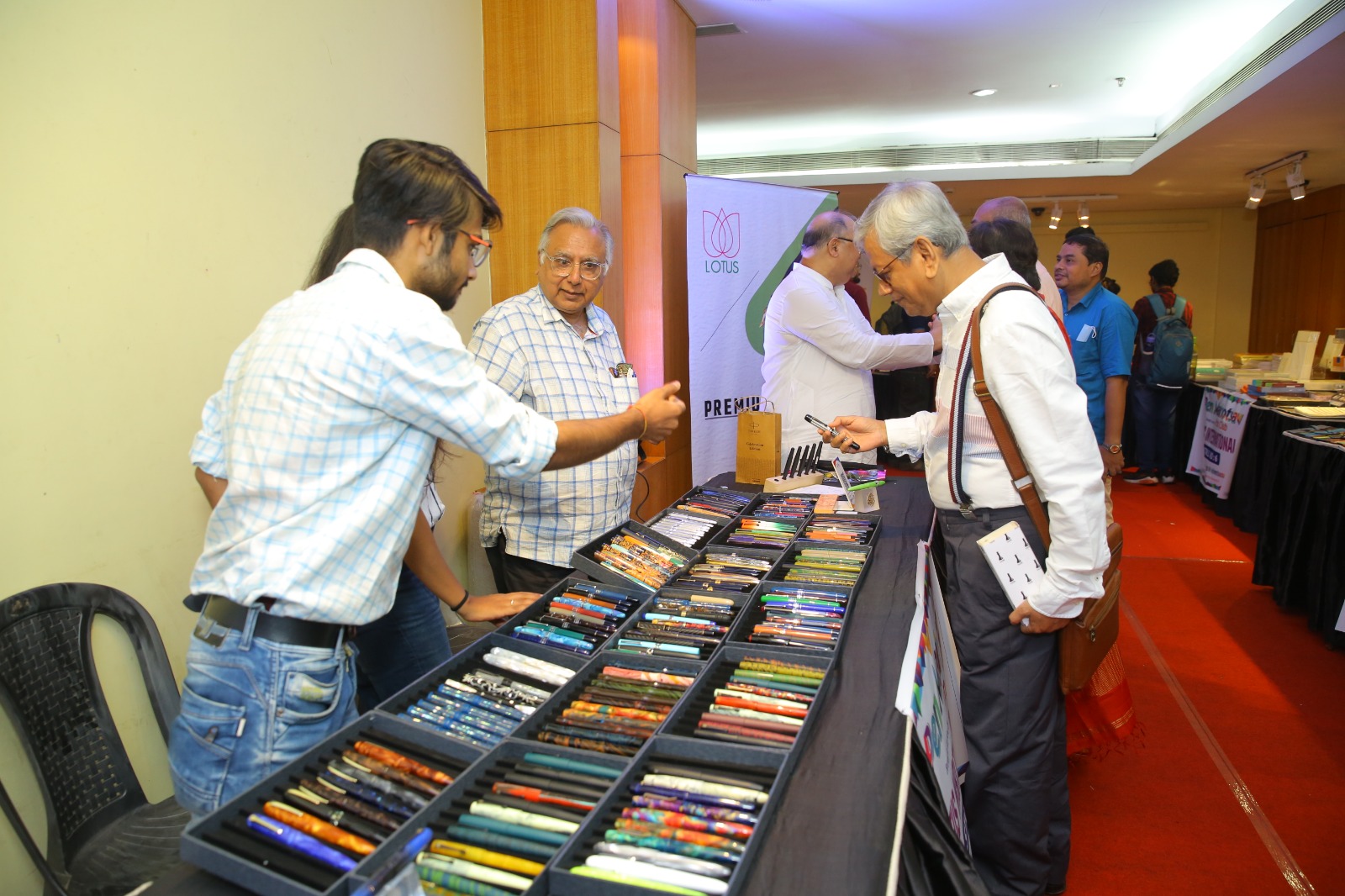
Pen Mahotsav Knowledge: A fountain pen is a writing instrument that uses a nib and ink to produce writing. It is one of the oldest types of pens and is still popular today for its elegant design and smooth writing experience.
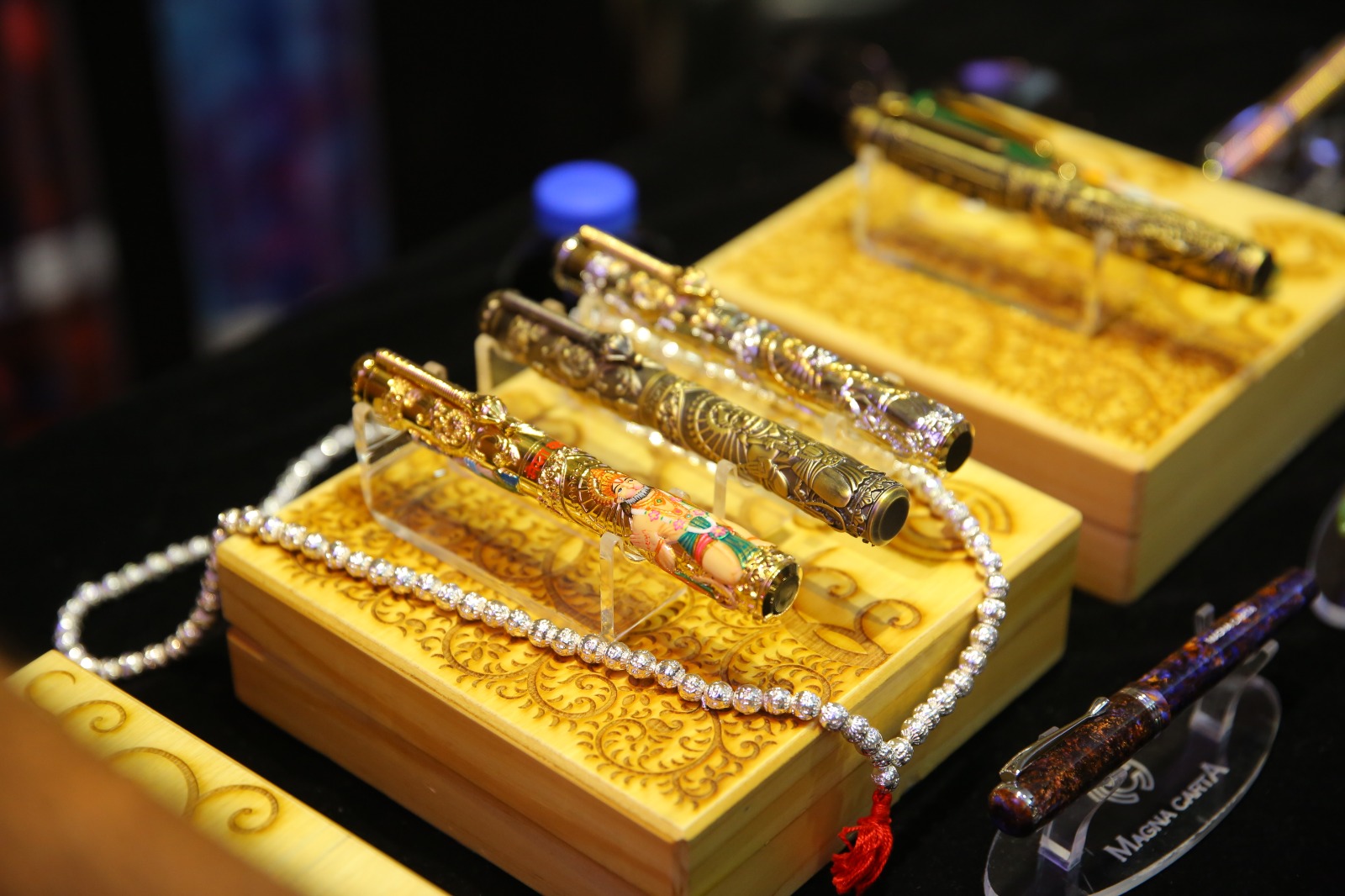
Fountain pens are typically made of high-quality materials such as metal, resin, or celluloid, and come in a variety of styles and designs. They may feature intricate designs, engravings, or special finishes such as gold or silver plating.
One of the key features of a fountain pen is the nib, which is the part of the pen that comes into contact with the paper. Nibs can be made from a variety of materials, including gold, stainless steel, and titanium. They may also vary in size, shape, and flexibility, which can affect the way the pen writes and the type of line it produces.
Fountain pens require ink to operate, which can be stored in a variety of ways. Some pens use a built-in or refillable ink cartridge, while others use a converter that allows the pen to be filled from a bottle of ink. Fountain pen ink comes in a wide variety of colors and can be used to create a unique writing experience.
Fountain pens require a bit more care and maintenance than other types of pens, but they are often favored by those who appreciate the art and craftsmanship of writing. With proper care, a fountain pen can last a lifetime and become a cherished heirloom.
In addition to their functional use as a writing instrument, fountain pens are often collected and appreciated for their beauty and historical significance. Many enthusiasts collect fountain pens from different eras, brands, or styles, and enjoy learning about the history and craftsmanship behind each pen.
Pen Mahotsav:
Several Parts
Pen Mahotsav Knowledge: A fountain pen typically consists of several parts, including:
Cap: The cap is the part of the pen that covers the nib when the pen is not in use. It may also help to prevent the ink from drying out and protect the pen from damage.
Barrel: The barrel is the main body of the pen that holds the ink. It may be made of metal, plastic, or other materials and may be decorated with designs or engravings.
Nib: The nib is the part of the pen that comes into contact with the paper and delivers the ink. It is usually made of metal, such as stainless steel or gold, and may vary in size, shape, and flexibility.
Feed: The feed is a small piece of plastic or other material that regulates the flow of ink to the nib. It helps to ensure a consistent and smooth writing experience.
Converter or Cartridge: The converter or cartridge is the part of the pen that holds the ink. A converter is a refillable device that is filled with ink from a bottle, while a cartridge is a disposable unit that is pre-filled with ink.
Grip section: The grip section is the part of the pen that is held when writing. It may be made of plastic, metal or other materials, and may be textured or shaped to provide a comfortable and secure grip.
Clip: The clip is a small metal or plastic part of the pen that allows it to be attached to a pocket, notebook or other item.
Each part of the fountain pen is carefully designed and crafted to provide a functional and elegant writing instrument that can last a lifetime with proper care and maintenance.
Pen Mahotsav:
Familiar Brands
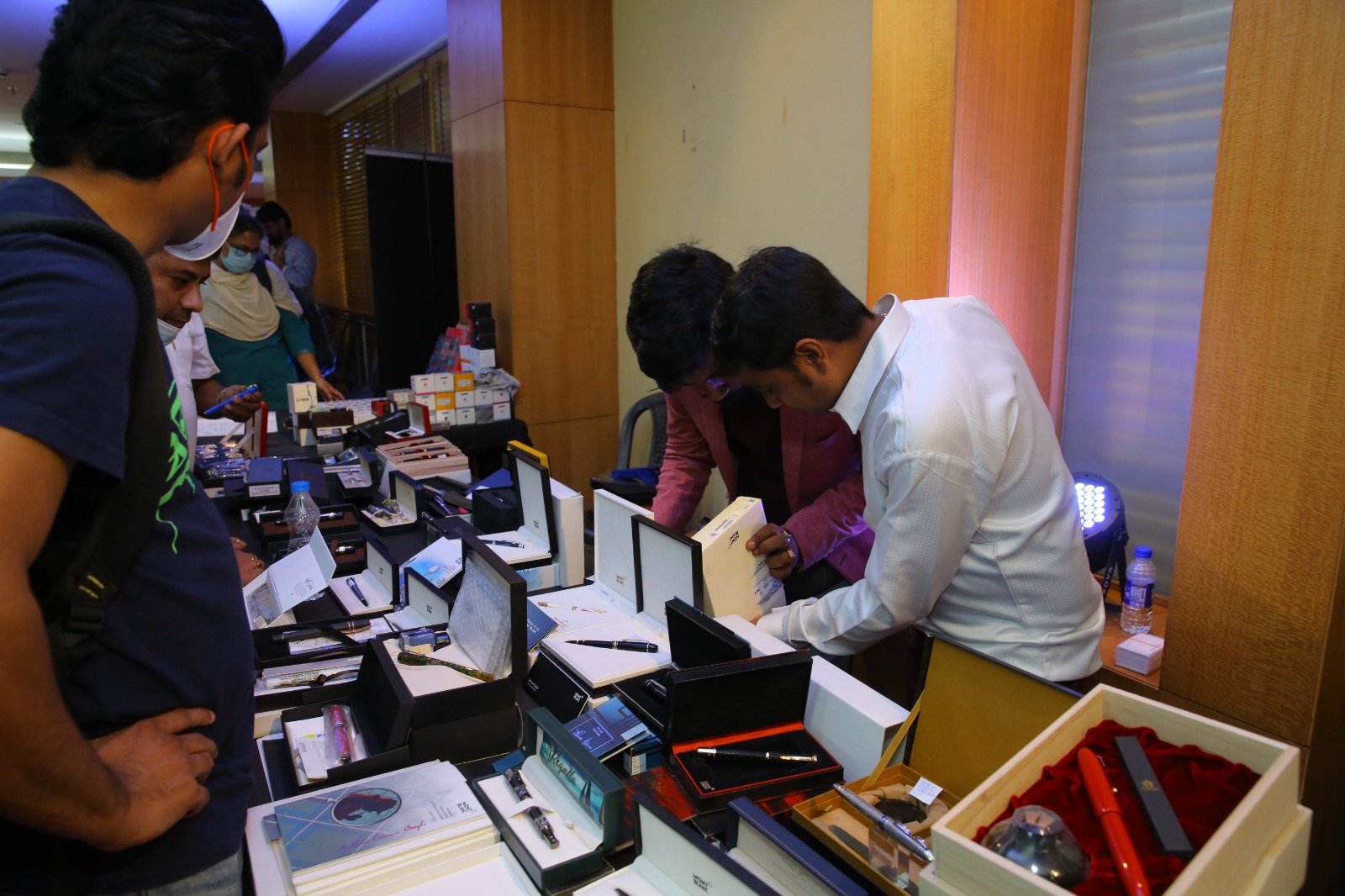
Pen Mahotsav Knowledge: There are many brands of fountain pens available today, each with its own unique features, design, and price range. Here are some popular brands of fountain pens:
Montblanc
Parker
Waterman
Lamy
Pelikan
Pilot
Cross
Sheaffer
Sailor
Aurora
These are just a few examples of the many brands of fountain pens available. Each brand has its own loyal following, and some fountain pen enthusiasts collect pens from multiple brands to appreciate their unique features and designs.
Pen Mahotsav:
Super Advantages
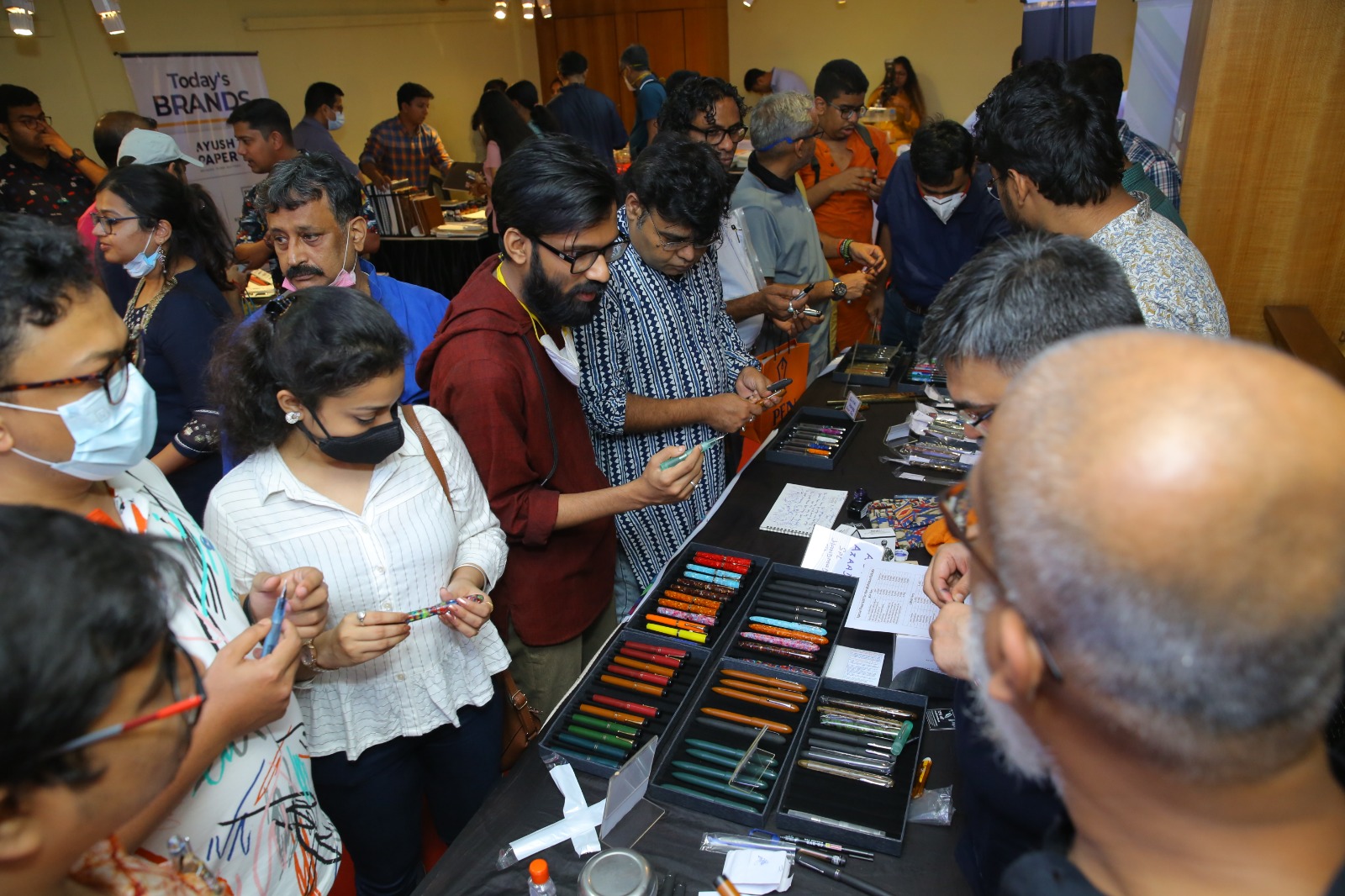
Pen Mahotsav Knowledge: While fountain pens are not strictly necessary for writing, they offer several advantages over other types of pens and writing instruments:
Comfort: Fountain pens are designed to be comfortable to use, with a variety of grip styles and sizes available to suit different preferences. This can reduce hand fatigue and make writing more enjoyable.
Aesthetics: Fountain pens are often considered to be more stylish and elegant than other types of pens. They come in a wide range of designs and materials, from classic black resin to colorful acrylics and intricate engravings.
Writing Experience: Fountain pens offer a smooth and consistent writing experience that is difficult to achieve with other types of pens. The nib glides across the paper, producing a unique line quality that can enhance the beauty of handwriting.
Sustainability: Fountain pens are typically designed to be refillable, which can reduce waste and save money over time. Many fountain pen enthusiasts appreciate the environmental benefits of using a pen that can last for decades or even a lifetime.
Personalization: Fountain pens can be customized and personalized in many ways, from choosing the type of nib to selecting the color and type of ink. This allows writers to create a unique writing experience that suits their individual preferences.
Overall, while fountain pens may not be a necessity, they can offer a more enjoyable and personalized writing experience that can enhance the act of writing and make it a more pleasurable and fulfilling activity.
Pen Mahotsav:
Satisfaction and Pleasure
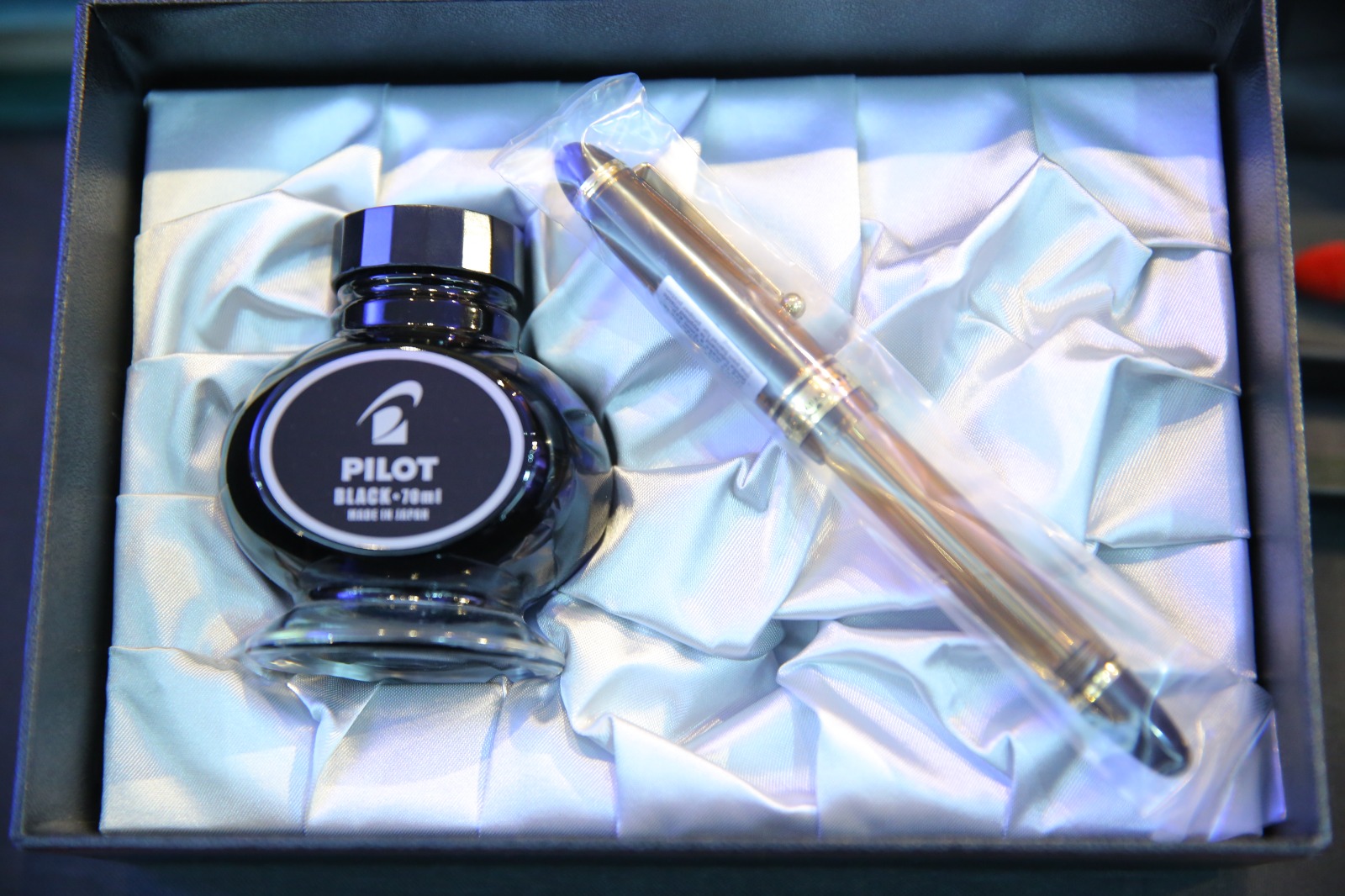
Pen Mahotsav Knowledge: Many fountain pen enthusiasts report experiencing a sense of satisfaction and pleasure while using a fountain pen. Here are some reasons why:
Writing Experience: Fountain pens typically offer a smooth and consistent writing experience, which can make writing feel more enjoyable and comfortable. The tactile sensation of the pen on paper can also be pleasing to the senses.
Personalization: Fountain pens can be customized with different nibs, inks, and materials to create a unique writing experience that reflects the user’s preferences and style. This personalization can create a sense of ownership and connection to the pen.
Durability and Quality: Fountain pens are often made with high-quality materials and are built to last. This can provide a sense of satisfaction and reliability, knowing that the pen will perform consistently and can be used for years to come.
Connection to History and Tradition: Fountain pens have a long and rich history, dating back to the 1800s. Using a fountain pen can connect users to this tradition and provide a sense of nostalgia for a bygone era.
Mindfulness and Relaxation: Using a fountain pen requires a certain level of concentration and focus, which can help users feel more mindful and relaxed. The act of writing with a fountain pen can be a meditative experience that allows users to slow down and appreciate the moment.
Overall, using a fountain pen can provide a sense of satisfaction and pleasure that goes beyond the act of writing itself. The writing experience, personalization, durability, connection to history, and mindfulness are all factors that can contribute to the enjoyment of using a fountain pen.
Pen Mahotsav:
Thanks and Regards
Pen Mahotsav:
Knowledge
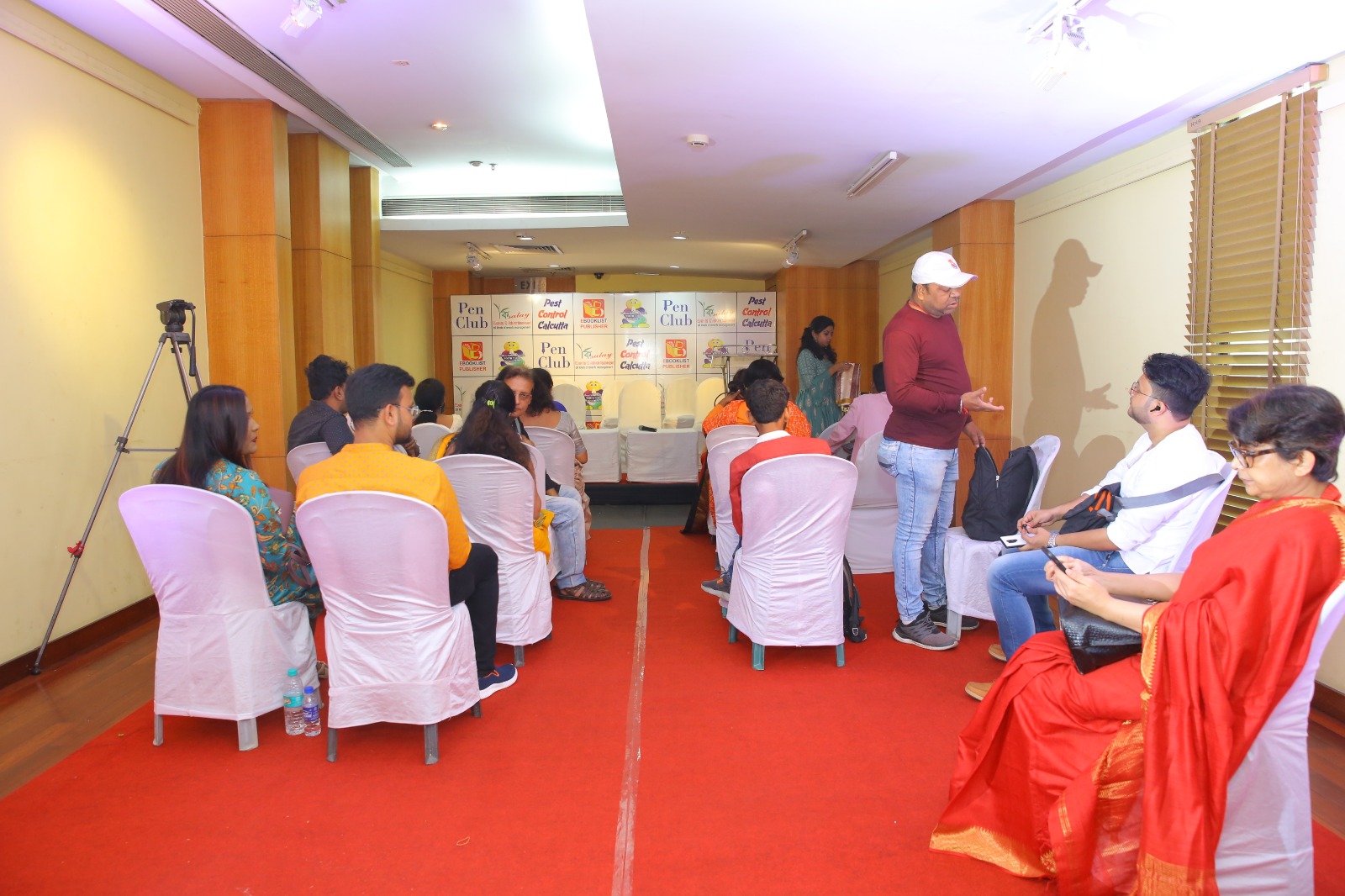
Pen Mahotsav Knowledge: A Pen Show is an event where pen enthusiasts gather to buy, sell, trade, and admire writing instruments such as fountain pens, ballpoint pens, rollerball pens, and pencils. These events are typically held annually or bi-annually in various locations around the world and can range from small local gatherings to larger international conventions. Pen shows offer attendees the opportunity to see and try out a wide variety of writing instruments, as well as to attend seminars and workshops on pen-related topics, and to meet and network with other pen enthusiasts.
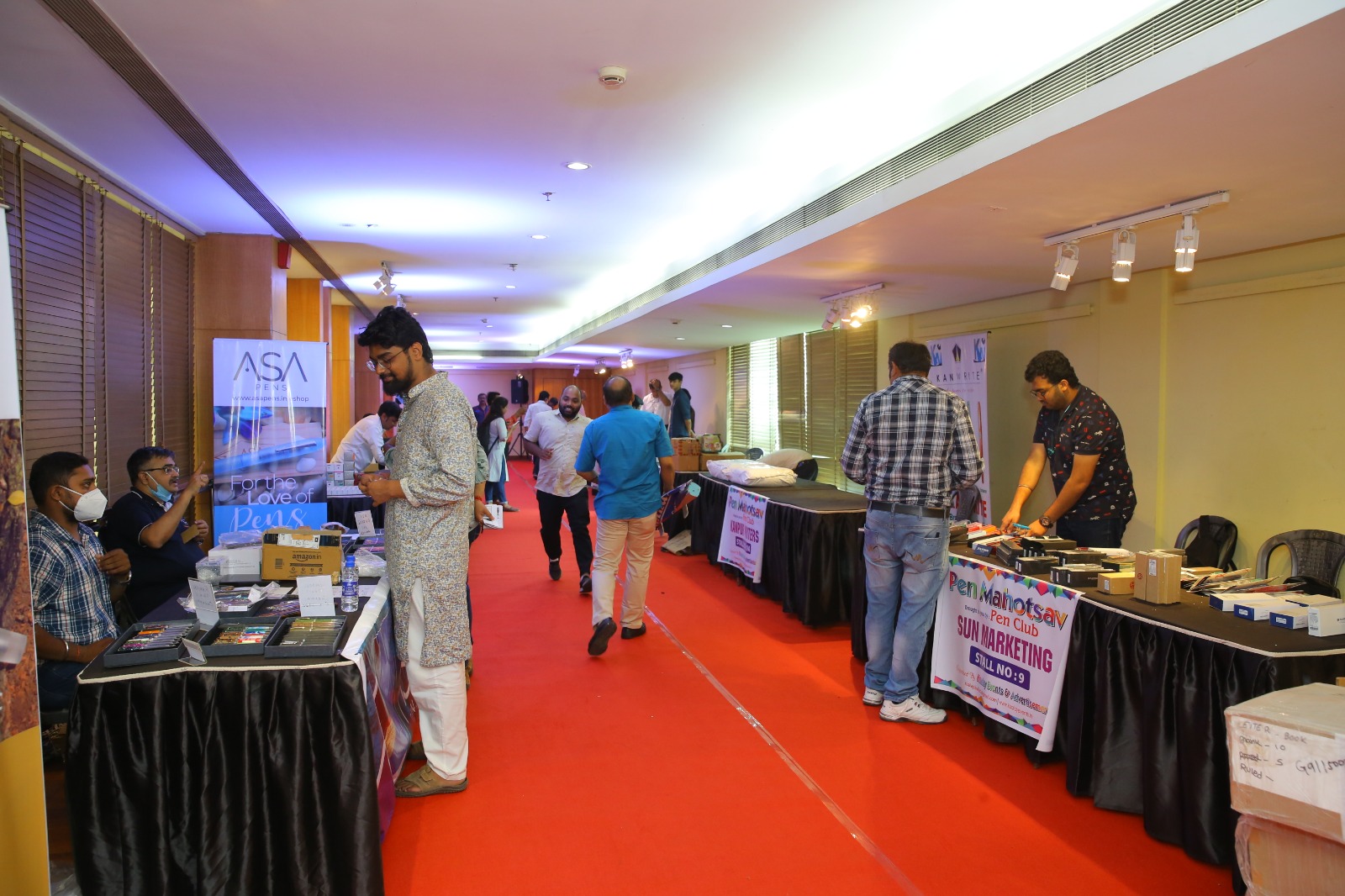
Pen Mahotsav Knowledge: Pen Shows can be held in various locations, including convention centers, hotels, conference rooms, and other event spaces. The location of a Pen Show can vary depending on the size and scope of the event. Some Pen Shows are held in major cities and are attended by thousands of people from around the world, while others are smaller regional events that cater to a more local audience. Some popular locations for Pen Shows include New York City, Chicago, London, Tokyo, and Frankfurt, but there are many other locations where Pen Shows are held. If you are interested in attending a Pen Show, you can check online for upcoming events and their locations.
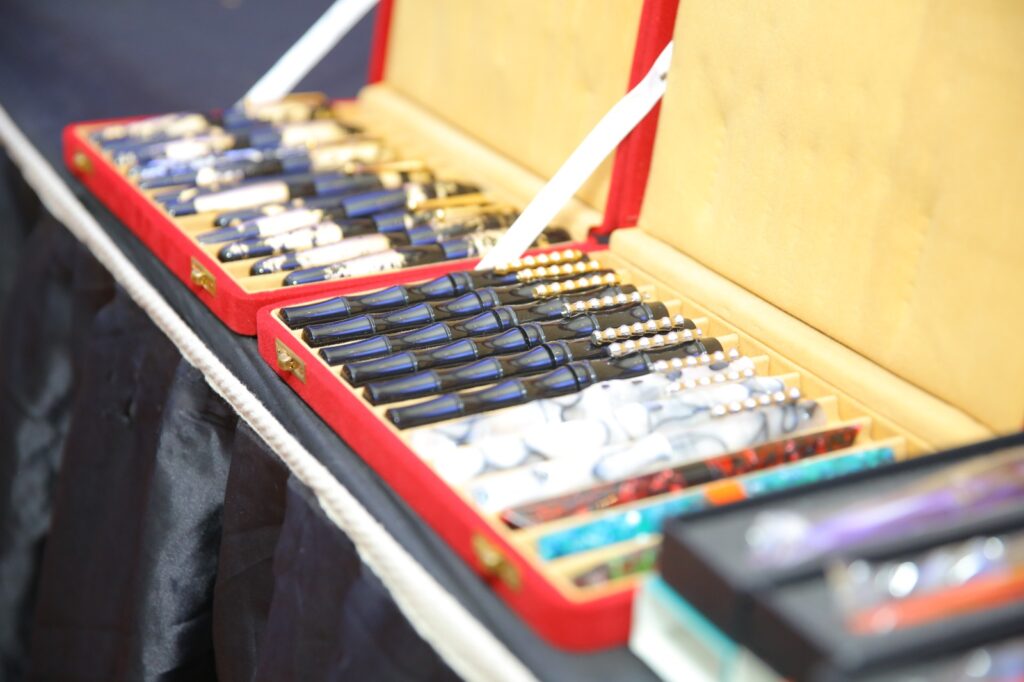
Pen Mahotsav Knowledge: The COVID-19 pandemic and resulting lockdowns have had a significant impact on Pen Shows, as they have with many other events and gatherings. Many Pen Shows that were scheduled to take place in 2020 and 2021 were either canceled or postponed due to concerns about the spread of the virus. Some Pen Shows were held virtually, with participants and vendors connecting online rather than in person.
The cancellation or postponement of Pen Shows has been a disappointment to many pen enthusiasts, as these events are an important opportunity to connect with other collectors and vendors, and to see and try out new writing instruments. However, the health and safety of attendees and vendors must be a top priority, and many organizers have chosen to err on the side of caution and postpone or cancel events until it is safe to hold them again in person.
As vaccines become more widely available and restrictions on gatherings are lifted in some areas, it is possible that Pen Shows will begin to resume in person. However, it may take some time for events to return to their pre-pandemic scale and frequency, and organizers may need to implement new health and safety protocols to protect attendees and vendors.
Image
Pen Mahotsav Knowledge: Once upon a time, there was a man named John who was an avid collector of writing instruments. He loved pens of all kinds and had spent many years building a large and impressive collection. However, he often found it difficult to find other pen enthusiasts to share his hobby with, as there were few opportunities for pen enthusiasts to gather and connect.
One day, John had an idea. He decided to organize a Pen Show, where collectors and vendors from around the world could come together to buy, sell, trade, and admire writing instruments. He worked tirelessly to plan the event, contacting vendors and advertising the show to pen enthusiasts around the world.
The first Pen Show that John organized was a small local event, but it was a great success. Pen enthusiasts from the surrounding area came to see the pens on display, and vendors were able to make connections with new customers. John was thrilled by the success of the event, and he decided to organize a larger Pen Show the following year.
Over time, John’s Pen Shows became more and more popular, attracting attendees and vendors from all over the world. His shows were known for their friendly and welcoming atmosphere, as well as the wide variety of writing instruments on display. John continued to organize Pen Shows for many years, and his events became an important part of the pen enthusiast community.
Thanks to John’s passion and dedication, Pen Shows have become a beloved tradition for pen enthusiasts around the world. His legacy lives on in the many Pen Shows that continue to take place every year, bringing together collectors, vendors, and enthusiasts to celebrate the art of writing.
Image
Pen Mahotsav Knowledge: Attending a Pen Show can be a thrilling experience for pen enthusiasts of all levels. The first thing that one may notice upon entering a Pen Show is the vast array of writing instruments on display. From vintage pens to the latest releases from top manufacturers, there are pens of all types and price ranges available to view, test and purchase.
Along with the pens, there are often a variety of other writing-related products available at Pen Shows such as ink, paper, and cases. The vendors, many of whom are experts in their field, are often happy to share their knowledge and expertise, offering advice and guidance to those looking to expand their collections.
Apart from vendors and pens, Pen Shows often feature workshops, talks, and seminars on a variety of pen-related topics such as pen repair, calligraphy, and pen collecting. These sessions can provide invaluable information and insight into the world of pens and can be a great way to connect with like-minded individuals.
Overall, attending a Pen Show can be a fun and exciting experience for pen enthusiasts, providing an opportunity to see and purchase rare and unique writing instruments, meet fellow collectors and enthusiasts, and learn more about the art and history of pen making.
Image
Pen Mahotsav Knowledge: The best venue for a Pen Show depends on the size of the event, the number of attendees, and the location. Some popular venues for Pen Shows include convention centers, hotels, conference rooms, and other event spaces. The ideal venue should be easily accessible for attendees, have ample space for vendors to display their products and for attendees to move around comfortably, and have adequate lighting and amenities.
Convention centers are often a popular choice for larger Pen Shows, as they offer a large and versatile space with multiple rooms and exhibit halls that can be configured to meet the specific needs of the event. Hotels can also be a good choice for smaller Pen Shows, as they often have conference rooms or ballrooms that can be used for events, and attendees can stay in the same location as the show.
Another factor to consider when choosing a venue for a Pen Show is the availability of nearby restaurants, cafes, and other amenities. Attendees may want to take breaks from the show and explore the surrounding area, so a location with nearby food and drink options can enhance the overall experience.
Ultimately, the best venue for a Pen Show is one that is well-suited to the needs of the event and provides a comfortable and enjoyable experience for attendees and vendors alike.
Image
Pen Mahotsav Knowledge: Participants in a Pen Show can include vendors, collectors, enthusiasts, and industry professionals. Vendors are typically the centerpiece of a Pen Show, as they showcase and sell their pens and related products to attendees. Vendors can range from established pen companies to independent makers and collectors looking to sell their personal collections.
Collectors and enthusiasts attend Pen Shows to buy, sell, or trade pens and related products. They can be passionate about pens and related items, and they often have in-depth knowledge about the history, materials, and craftsmanship of various writing instruments. Pen Shows provide a unique opportunity for collectors and enthusiasts to connect with vendors and other collectors, learn about new products, and expand their collections.
Industry professionals such as pen designers, pen manufacturers, and pen restorers may also attend Pen Shows to showcase their products, network with other professionals, and gain insights into the market and consumer preferences.
In addition to the vendors, collectors, and industry professionals, Pen Shows can also attract enthusiasts of calligraphy, handwriting, and other writing-related arts, as well as students, hobbyists, and curious visitors who want to learn more about the world of pens and writing.
Overall, Pen Shows are a gathering place for anyone with a love of pens and writing instruments, bringing together a diverse group of participants with a shared passion for the art and craft of writing.
Image
Pen Mahotsav Knowledge: The pen has a long and rich history, dating back thousands of years to ancient civilizations such as the Egyptians and Greeks. The earliest writing instruments were reeds or quills that were dipped in ink, and they were used to write on papyrus and parchment.
Over time, the design of the pen evolved and new materials were used, such as metal, glass, and plastic. The fountain pen, which uses a nib to distribute ink onto paper, was invented in the 19th century and quickly became popular among writers and artists. The ballpoint pen, which uses a small rotating ball to distribute ink, was invented in the 20th century and became even more popular due to its convenience and reliability.
Today, there are countless types of pens available, from disposable ballpoint pens to high-end fountain pens made from precious materials such as gold and silver. Many people collect pens as a hobby, and there are even pen shows and exhibitions where enthusiasts can showcase and trade their collections.
The pen has played a significant role in human history, from recording important documents and scientific discoveries to expressing creativity and personal thoughts. Despite the rise of digital technology and electronic communication, the pen remains a beloved and essential tool for many people around the world.
Image
Pen Mahotsav Knowledge: The pen is a versatile and powerful tool with many abilities, some of which include:
Writing: The primary function of a pen is to write, and it is one of the most effective tools for communication. The pen enables individuals to express their thoughts, ideas, and emotions on paper, and it allows them to preserve and share their knowledge with others.
Drawing and sketching: Pens can be used for artistic purposes, such as drawing, sketching, and illustrating. They offer a wide range of line thicknesses and shading options, making them ideal for creating intricate and detailed artwork.
Signing: Pens are often used for signing important documents, such as contracts, legal papers, and agreements. A signature with a pen is considered more authentic and permanent than a digital signature.
Journaling and note-taking: Pens are often used for journaling and note-taking, allowing individuals to record their thoughts and experiences, and to keep track of important information.
Personal expression: Pens can be used as a form of personal expression, such as writing poetry, lyrics, or stories. They can also be used for calligraphy, handwriting, and other forms of creative writing.
Overall, the pen’s ability to write, draw, and express ideas has made it an indispensable tool for centuries, and it continues to be an important part of our daily lives.
Image
Pen Mahotsav Knowledge: Acceptability of a fountain pen depends on personal preference and the specific situation. In general, fountain pens are considered acceptable and appropriate for a variety of situations, including:
Personal writing: Fountain pens are often used for personal writing, such as journaling, letter writing, or creative writing.
Business settings: Fountain pens can be used in business settings, such as signing documents or taking notes during meetings. They can also make a professional impression and add a personal touch to correspondence.
Formal events: Fountain pens are often used for formal events, such as weddings, where they can be used for signing guest books or writing personal notes.
Gift giving: Fountain pens are often given as gifts, especially for special occasions like graduations or retirements.
However, there are some situations where fountain pens may not be considered acceptable or practical. For example, fountain pens may not be suitable for use in environments where the ink could easily smudge or smear, such as in a laboratory or in manufacturing. Additionally, fountain pens may not be suitable for everyday use if the user prefers a different type of pen or if they find the maintenance and care of the pen to be too cumbersome. Ultimately, the acceptability of a fountain pen will depend on individual preference and the specific situation.
Image
Pen Mahotsav Knowledge: The history of the pen dates back thousands of years to ancient civilizations. The earliest writing instruments were reeds or quills that were dipped in ink, and they were used to write on papyrus and parchment. The ancient Egyptians are believed to have been the first to use reed pens, while the ancient Greeks used quills made from bird feathers.
Over time, the design of the pen evolved and new materials were used, such as metal, glass, and plastic. In the early 19th century, the first metal fountain pens were developed in Europe. These pens used a nib to distribute ink onto paper and were considered a significant improvement over the earlier quills and reed pens.
The invention of the ballpoint pen in the mid-20th century revolutionized the pen industry. Ballpoint pens use a small rotating ball to distribute ink, making them more reliable and easier to use than fountain pens. In the 1960s, the first rollerball pens were developed, which combined the smooth writing experience of fountain pens with the convenience of ballpoint pens.
Today, there are countless types of pens available, from disposable ballpoint pens to high-end fountain pens made from precious materials such as gold and silver. Many people collect pens as a hobby, and there are even pen shows and exhibitions where enthusiasts can showcase and trade their collections.
Overall, the pen has a long and rich history that has been shaped by human ingenuity and creativity. Despite the rise of digital technology and electronic communication, the pen remains a beloved and essential tool for many people around the world.
Image
Pen Mahotsav Knowledge: Fountain pens are generally considered to be highly accurate writing instruments. The precision of a fountain pen’s nib, combined with the control that can be achieved by the writer, allows for a high degree of accuracy in writing and drawing.
Fountain pens offer a level of control and variability that is not possible with other types of pens. The nibs of fountain pens can be customized and adjusted to suit individual writing styles and preferences, allowing for greater accuracy and control. Additionally, the smooth flow of ink from a fountain pen allows for consistent lines and even strokes, which can enhance the accuracy of writing and drawing.
That being said, the accuracy of a fountain pen can also depend on the quality of the pen itself and the skill of the writer. A poorly made or maintained fountain pen can lead to inconsistent ink flow, smudging, or other issues that can impact accuracy. Similarly, a writer who is not experienced with using a fountain pen may need some time to adjust to its unique characteristics in order to achieve maximum accuracy.
Overall, while fountain pens offer many advantages in terms of precision and accuracy, the final result will depend on a variety of factors, including the quality of the pen, the ink used, and the skill of the writer.
Image
Pen Mahotsav Knowledge: The action of a fountain pen refers to how it operates, specifically how it delivers ink to the paper. Unlike other types of pens, fountain pens use a nib that is made of metal and has a split tip, which allows for ink to flow through it.
When the pen is held at a certain angle and pressure is applied, the nib flexes slightly and allows ink to flow from the reservoir through the slit in the nib and onto the paper. The ink flows smoothly and consistently, creating a distinctive line that is often preferred by those who use fountain pens.
The action of a fountain pen is based on the principles of capillary action, which is the ability of a liquid to flow in narrow spaces without the assistance of, or even in opposition to, external forces like gravity. In the case of a fountain pen, capillary action draws ink from the reservoir in the pen to the nib, allowing for smooth and consistent flow of ink onto the paper.
The action of a fountain pen can vary depending on the specific design and mechanism of the pen. For example, some fountain pens may have different types of nibs that offer varying degrees of flexibility or smoothness, while others may have different types of filling mechanisms for their ink reservoirs. Overall, the action of a fountain pen is what makes it a unique and enjoyable writing instrument for many people.
Image
Pen Mahotsav Knowledge: Fountain pens can be used for a variety of activities, including:
Writing: Fountain pens are popular writing instruments and are often used for writing letters, journaling, taking notes, and other forms of writing. The smooth flow of ink and the variety of nib options available make fountain pens a popular choice for those who enjoy the art of handwriting.
Drawing: Fountain pens can also be used for drawing and sketching. The flexibility of the nib allows for varying line widths, which can be useful in creating different textures and effects in drawings.
Calligraphy: Fountain pens are popular among calligraphers, who use them to create beautiful and decorative writing. Calligraphy nibs are often designed to create thick and thin lines depending on the pressure applied, allowing for a wide range of decorative effects.
Signing: Fountain pens are often used for signing important documents or autographs. The smooth flow of ink and the distinctive line produced by a fountain pen can add a touch of elegance and sophistication to signatures.
Collecting: Many people collect fountain pens as a hobby, often seeking out rare or unique pens to add to their collections. Fountain pen collectors may attend pen shows, trade pens with other collectors, or display their collections in showcases or on social media.
Overall, fountain pens can be used for a variety of activities and purposes, and their unique characteristics make them a popular choice for those who appreciate the art of writing and drawing.
Image
Pen Mahotsav Knowledge: An actual fountain pen is a type of writing instrument that uses a nib to draw ink from an internal reservoir and transfer it to paper. It is called a “fountain” pen because of the way the ink flows out of the pen, much like a fountain.
Fountain pens are typically made with a metal nib that has a split tip, allowing ink to flow onto the paper as the writer applies pressure. The ink is stored in a reservoir inside the pen, which can be filled with ink using various methods depending on the design of the pen.
Unlike other types of pens, fountain pens do not use a ballpoint or felt tip to transfer ink to paper. Instead, the ink flows through the nib, which can create a unique line quality and variation in thickness based on the pressure applied and the angle of the nib.
Fountain pens can come in a variety of styles, materials, and designs, from classic and elegant designs to modern and colorful pens. They are often made with high-quality materials such as gold, silver, or high-grade plastic, and can be customized with different nib sizes and materials to suit individual preferences.
Overall, an actual fountain pen is a beautiful and unique writing instrument that offers a smooth and enjoyable writing experience. Its classic design and elegant writing style have made it a popular choice among writers, artists, and pen enthusiasts alike.
Image
Pen Mahotsav Knowledge: Here are some additional information regarding fountain pens:
Ink: Fountain pens use liquid ink, which can be either water-based or oil-based. Water-based ink is the most common and is often preferred because it is easy to clean and does not clog the pen. Oil-based ink is more viscous and has a longer drying time, but it can produce more vibrant colors and is more resistant to water and smudging.
Nib: The nib is the part of the fountain pen that comes into contact with the paper and delivers the ink. It is usually made of metal, such as stainless steel, gold, or titanium, and can come in a variety of sizes and shapes. The size and shape of the nib affect the line width and flexibility of the pen.
Maintenance: Fountain pens require regular maintenance to keep them in good working condition. This includes cleaning the pen and the nib, refilling the ink, and storing the pen properly. Proper maintenance can help prevent ink flow issues, clogging, and other problems.
Cost: Fountain pens can range in price from a few dollars to thousands of dollars, depending on the materials, design, and brand. High-end fountain pens are often made with precious metals and gems and are sought after by collectors and enthusiasts.
Environmentally Friendly: Fountain pens are an environmentally friendly alternative to disposable pens, as they can be refilled and reused for years. This can help reduce waste and save money in the long run.
Writing Experience: Fountain pens offer a unique writing experience that cannot be replicated with other types of pens. The smooth flow of ink and the ability to customize the nib to individual preferences can make writing more enjoyable and satisfying.
Image
Pen Mahotsav Knowledge: There are several alternatives to fountain pens that people can use for writing. Some of these alternatives include:
Ballpoint pens: Ballpoint pens are the most common type of pen used today. They use a small ball bearing to transfer ink to paper, and they are usually less expensive than fountain pens. Ballpoint pens are available in a wide variety of colors and styles and are a good option for everyday use.
Rollerball pens: Rollerball pens use water-based ink that flows more easily than the oil-based ink used in ballpoint pens. This means they can produce a smoother writing experience and a more vibrant color. They are also a good option for people who prefer a pen with a finer point than a ballpoint pen.
Gel pens: Gel pens use a gel-based ink that is similar to rollerball pens but is thicker and more opaque. They can produce a bold and vibrant color and are often used for artwork and scrapbooking.
Dip pens: Dip pens are similar to fountain pens in that they use a nib to draw ink from a container. However, they do not have an internal reservoir like fountain pens, so they need to be dipped into ink before each use. They are a good option for calligraphy and other decorative writing.
Brush pens: Brush pens use a flexible tip that resembles a paintbrush. They can produce a variety of line widths and are often used for artwork and lettering.
Overall, there are many alternatives to fountain pens, and the choice of writing instrument will depend on personal preference, writing style, and the specific task at hand.
Image
Pen Mahotsav Knowledge: Writing with a fountain pen can produce amazing results and offer a unique writing experience. Some of the benefits of writing with a fountain pen include:
Smooth and precise writing: Fountain pens have a smooth flow of ink that allows for precise and accurate writing. The nib of the pen can also be customized to individual preferences, allowing for a more personalized writing experience.
Comfortable grip: Fountain pens are often designed with a comfortable grip, which can reduce hand fatigue and make writing for extended periods more comfortable.
Improved handwriting: Many people find that their handwriting improves when using a fountain pen. This is because the smooth ink flow and precise nib allow for better control over letter shapes and lines.
Aesthetic appeal: Fountain pens have an aesthetic appeal that is often associated with sophistication and elegance. They can add a touch of style and personality to any written work.
Sustainable choice: As fountain pens are refillable, they are a more sustainable choice than disposable pens. This means that they can reduce waste and be more environmentally friendly in the long run.
Overall, writing with a fountain pen can be a truly amazing experience and can enhance the quality of any written work.
Image
Pen Mahotsav Knowledge: One notable success story associated with fountain pens is that of Montblanc, a luxury writing instrument brand. Montblanc was founded in 1906 in Germany, and its early success was driven by the popularity of its fountain pens.
In the early 20th century, Montblanc established itself as a leading producer of high-quality writing instruments. Its pens were renowned for their precision, smoothness, and durability. They were also highly sought after for their aesthetic appeal, with many featuring intricate designs and precious materials.
Over the years, Montblanc has continued to innovate and refine its fountain pens, introducing new technologies and materials to improve their performance and durability. Today, Montblanc pens are still considered to be some of the finest writing instruments in the world and are used by writers, artists, and professionals across a wide range of industries.
The success of Montblanc is a testament to the enduring popularity and appeal of fountain pens. Despite the rise of digital communication and the proliferation of electronic devices, many people still prefer the tactile experience of writing with a fountain pen. For them, the fountain pen represents a connection to the past and a commitment to the art and craft of writing.
Image
Pen Mahotsav Knowledge: Automatic pens and fountain pens are two different types of writing instruments with distinct characteristics.
Automatic pens are typically used for calligraphy and lettering. They have a flat, rigid nib that can be angled to produce varying line widths. They are designed to be held at a 45-degree angle to the paper, and the pressure of the hand controls the flow of ink onto the paper.
Fountain pens, on the other hand, have a pointed nib that draws ink from a reservoir and releases it onto the paper as the writer moves the pen. They are typically used for everyday writing and come in a variety of nib sizes and styles.
In terms of advantages, automatic pens can produce a wide range of line widths and are ideal for creating intricate designs and lettering styles. Fountain pens, on the other hand, offer a smoother and more comfortable writing experience and are better suited for extended periods of writing.
When it comes to maintenance, automatic pens require regular cleaning and can be more difficult to maintain than fountain pens. Fountain pens require occasional cleaning and can be refilled with ink cartridges or a converter to use bottled ink.
Ultimately, the choice between an automatic pen and a fountain pen depends on the user’s specific needs and preferences. Automatic pens are ideal for calligraphy and artistic lettering, while fountain pens are well-suited for everyday writing and offer a unique writing experience.
Image
Pen Mahotsav Knowledge: Fountain pens are widely available in a variety of styles and price points. They can be purchased at specialty pen shops, stationery stores, and online retailers. Some popular fountain pen brands include Parker, Waterman, Lamy, Pilot, Montblanc, and Pelikan, among many others.
Fountain pens can also be found in many department stores and office supply stores, although the selection may be more limited. Additionally, there are many artisanal fountain pen makers who create unique and high-end pens in small batches or as one-of-a-kind pieces.
The availability of fountain pens may vary depending on the region or country. However, with the rise of e-commerce, fountain pens are now more accessible than ever before, and it is possible to purchase them from retailers located around the world with just a few clicks.
Overall, whether you’re looking for an affordable starter fountain pen or a high-end luxury writing instrument, there are many options available for you to choose from.
Image
Pen Mahotsav Knowledge: There has been a resurgence in recent years of interest and awareness about fountain pens, as more people are discovering the unique writing experience they offer. Many individuals appreciate the smoother writing feel and greater control over ink flow that fountain pens provide, and find that they produce less hand fatigue during extended writing sessions.
Furthermore, the rise of the bullet journaling and planner communities has brought more attention to fountain pens, as they are often used for decorative lettering and writing in these types of journals.
Several companies and organizations have also launched initiatives to promote fountain pen use and appreciation. For example, National Fountain Pen Day is celebrated annually on the first Friday of November, and there are various online forums, blogs, and social media groups dedicated to discussing and sharing information about fountain pens.
In addition, many pen shows and conventions are held around the world, where enthusiasts can gather to buy, sell, and trade pens, as well as attend workshops and learn more about fountain pen history and usage.
Overall, while fountain pens may not be as widely used as they once were, there is a growing awareness and appreciation for them among those who enjoy the unique writing experience they offer.
Image
Pen Mahotsav Knowledge: Fountain pens can be a great tool for various types of writing, including personal journaling, note-taking, letter writing, and even drawing or calligraphy. They offer a smooth and consistent writing experience, and the ink flow can be easily controlled by adjusting the pressure applied to the nib.
Fountain pens are also a more sustainable option than disposable ballpoint pens, as they can be refilled with ink cartridges or with bottled ink using a converter. This reduces the amount of plastic waste generated by disposable pens, making fountain pens a more eco-friendly option.
In addition, fountain pens can be a stylish and personalized accessory, as there are many different colors, designs, and materials to choose from. Some people even collect fountain pens as a hobby, appreciating the unique features and craftsmanship of each pen.
Overall, using a fountain pen can be a rewarding and enjoyable experience, whether for practical or artistic purposes. While they may require a bit more maintenance than other types of pens, the benefits of using a fountain pen can make it worth the effort.
Image
Pen Mahotsav Knowledge: One famous background story involving fountain pens is the creation of the Parker 51, a legendary fountain pen that was first introduced in 1941. The story goes that George S. Parker, the founder of the Parker Pen Company, was dissatisfied with the traditional fountain pens of the time, which often leaked or had issues with ink flow.
Parker wanted to create a pen that would be reliable and consistent, with a streamlined design that would set it apart from other fountain pens. The Parker 51 was the result of his efforts, and it quickly became one of the most popular and highly-regarded fountain pens of all time.
The Parker 51’s design was innovative for its time, with a hooded nib that prevented ink from drying out and clogging the pen, and a streamlined barrel and cap that gave it a sleek and modern look. The pen was also notable for its durable construction, with a body made of tough polystyrene that could withstand years of use.
The Parker 51 went on to become a beloved writing instrument, used by writers, artists, and professionals around the world. It was even featured in movies and television shows, including Mad Men and Goodfellas, cementing its place in popular culture.
The story of the Parker 51 is just one example of how fountain pens have a rich history and cultural significance that extends beyond their practical use as writing tools. They are objects of craftsmanship and artistry, as well as symbols of creativity and individual expression.
Image
Pen Mahotsav Knowledge: The basic features of a fountain pen include:
Nib: This is the metal tip at the end of the pen that comes into contact with the paper. It is usually made of gold, steel, or other metals, and can vary in width and shape.
Ink feed: This is the mechanism that delivers ink from the pen’s reservoir to the nib. It typically consists of a series of channels or fins that regulate the flow of ink.
Reservoir: This is the chamber inside the pen that holds the ink. It can be filled with ink cartridges or with bottled ink using a converter.
Cap: This is the removable cover that fits over the nib and protects it when the pen is not in use. It may also have a clip for attaching the pen to a pocket or notebook.
Barrel: This is the main body of the pen, which houses the ink reservoir and the nib. It can be made of various materials, including plastic, metal, or precious materials like gold or silver.
Grip section: This is the part of the pen that is held when writing. It is usually designed for comfort and may be made of rubber or other materials to provide a non-slip grip.
Overall, fountain pens are designed to provide a smooth and consistent writing experience, with ink flow that can be easily controlled by adjusting the pressure applied to the nib. They are a popular choice for calligraphy, letter writing, and other forms of expressive writing.
Image
Pen Mahotsav Knowledge: There are many aspects of a fountain pen that can be considered beautiful, from their elegant designs to the way they write. Here are a few examples:
Craftsmanship: Many fountain pens are crafted with great attention to detail, using high-quality materials and precise manufacturing processes. This results in pens that are not only functional but also beautiful to look at and hold.
Nib design: The nib of a fountain pen can be designed in a variety of shapes and sizes, each with its own unique beauty. Some nibs are smooth and round, while others are pointed or shaped to create different line widths and styles of writing.
Ink flow: Fountain pens are designed to deliver a smooth and consistent flow of ink, creating beautiful lines and strokes on the page. The ink can also be varied in color and shade, adding to the beauty of the writing.
Personalization: Many fountain pens can be customized with personalized engravings, making them unique and special to the owner. This personalization adds to the beauty of the pen and creates a sense of attachment and ownership.
Collectibility: Some fountain pens are highly sought-after by collectors, with rare and unique designs that are considered works of art. Owning and collecting these pens can be a source of pride and beauty for those who appreciate their craftsmanship and history.
Overall, the beauty of a fountain pen is multifaceted and can be appreciated in many ways. From the elegant designs to the smooth writing experience, there is much to admire in these classic writing instruments.
Image
Pen Mahotsav Knowledge: Writing with a fountain pen can be intimidating for beginners, but with a little practice and patience, it can become a enjoyable experience. Here are some tips to get started:
Hold the pen correctly: Hold the pen at a 45-degree angle to the paper, with the nib pointing in the direction you want to write. Grip the pen lightly but firmly, and don’t press too hard on the paper.
Use the right paper: Fountain pens work best on high-quality paper that is designed to handle the ink flow. Look for paper that is thick, smooth, and has a high cotton content.
Start with small strokes: Practice making small strokes and curves to get used to the flow of the ink. Use light pressure and let the pen do the work.
Experiment with different nib sizes: Fountain pens come in a variety of nib sizes, ranging from extra-fine to broad. Start with a medium or fine nib and experiment with different sizes to see which works best for you.
Clean the pen regularly: Fountain pens require regular cleaning to maintain their performance. Flush the pen with clean water and let it dry completely before using it again.
Be patient: Writing with a fountain pen takes time and practice. Don’t get discouraged if your writing doesn’t look perfect at first. Keep practicing and you’ll see improvement over time.
With these tips, beginners can start enjoying the unique experience of writing with a fountain pen.
Image
Pen Mahotsav Knowledge: The best part of fountain pen lovers is their passion for these writing instruments. Fountain pen enthusiasts appreciate the artistry, craftsmanship, and history behind each pen. They often have collections of pens that they cherish and take pride in sharing with others. Fountain pen lovers also enjoy the experience of writing with a fountain pen, which can be more comfortable and enjoyable than writing with a ballpoint or gel pen. Many fountain pen enthusiasts also appreciate the variety of ink colors available and the way that the ink flows smoothly onto the paper. Overall, the best part of fountain pen lovers is their appreciation for the beauty, elegance, and functionality of these writing instruments.
Image
Pen Mahotsav Knowledge: Fountain pens are often considered to be the best writing instrument for those seeking a better writing experience. Here are a few reasons why:
Comfortable writing: Fountain pens have a unique writing style that is more comfortable than ballpoint or gel pens. The ink flows smoothly and requires less pressure, making writing for extended periods more comfortable.
Precise lines and strokes: Fountain pens allow for more precision in writing due to their fine nibs, which produce consistent lines and strokes.
Ink variety: Fountain pens allow for a wider variety of ink colors and types, including specialty inks like shimmering or scented inks. This allows writers to express themselves creatively through their writing.
Durability: High-quality fountain pens are built to last and can be a long-term investment for those who appreciate writing with them. With proper care and maintenance, a fountain pen can last for many years.
Personalization: Fountain pens can be customized with various nibs, ink colors, and even personalized engravings. This allows writers to create a unique writing experience that is tailored to their preferences and style.
Overall, fountain pens can provide a better writing experience due to their comfortable writing style, precision, ink variety, durability, and personalization options.
Image
Pen Mahotsav Knowledge: The fountain pen industry is a niche market, and its size can vary depending on the region and the demand for these writing instruments. However, it is estimated that the global fountain pen market size was valued at USD 1.15 billion in 2020 and is projected to reach USD 1.46 billion by 2028, growing at a CAGR of 3.4% from 2021 to 2028.
The market size is influenced by factors such as growing interest in luxury writing instruments, increasing demand for personalized writing products, and a growing preference for eco-friendly writing solutions. The market includes a variety of fountain pen manufacturers, ranging from small-scale artisans to well-established brands such as Montblanc, Parker, Waterman, and Pilot.
Overall, the fountain pen industry is a niche market, but it continues to attract a loyal following of enthusiasts who appreciate the artistry, craftsmanship, and functionality of these writing instruments.
Image
Pen Mahotsav Knowledge: The modern fountain pen as we know it today was invented by Lewis Waterman in 1884. Before that, there were various attempts to create a pen that could write without having to constantly dip it in ink, but they were often unreliable and messy. Waterman’s design addressed these issues by using a feed mechanism to regulate the flow of ink and prevent leakage.
Waterman’s fountain pen quickly gained popularity, and the company he founded to manufacture and sell them became one of the leading fountain pen manufacturers of the time. Since then, fountain pens have become an iconic writing instrument and have been used by writers, artists, and everyday people around the world.
Image
Pen Mahotsav Knowledge: The invention of the fountain pen was a result of many years of experimentation and innovation by various inventors, and it took a great deal of courage and perseverance to bring it to market. Lewis Waterman, the inventor of the modern fountain pen, faced many challenges in developing his design and bringing it to the public.
One of the main challenges was creating a reliable feed mechanism that could regulate the flow of ink and prevent leaks. Waterman spent years experimenting with different materials and designs, and he even took apart and studied other fountain pens to try to figure out how they worked.
Another challenge was convincing the public to switch from their trusty dip pens to this newfangled invention. Waterman had to overcome skepticism and demonstrate the reliability and convenience of his fountain pen through advertising and public demonstrations.
Despite these challenges, Waterman persisted and eventually succeeded in creating a reliable and popular fountain pen. His invention revolutionized the writing industry and paved the way for countless other innovations in the field of writing instruments.
Image
Pen Mahotsav Knowledge: A fountain pen is a type of writing instrument that uses a nib to deliver ink to paper. The ink is stored in a reservoir or cartridge, and flows through the nib onto the paper as the user writes.
Fountain pens come in a variety of designs, materials, and styles, from simple and affordable to ornate and luxurious. They are popular among writers, artists, collectors, and anyone who enjoys the unique writing experience that a fountain pen provides.
Using a fountain pen requires some skill and practice, as the user must hold the pen at a specific angle and apply a light and consistent pressure to achieve the desired results. However, many people find that the effort is well worth it, as fountain pens offer a level of precision, comfort, and customization that other writing instruments cannot match.
Fountain pens are often seen as a symbol of elegance, sophistication, and craftsmanship, and have been used by many famous writers, artists, and historical figures throughout history.
Image
Pen Mahotsav Knowledge: There are many bright sides to using a fountain pen, some of which include:
Writing comfort: Fountain pens require little pressure to write, which reduces hand fatigue and allows for longer writing sessions.
Customization: Fountain pens offer a wide variety of nibs, inks, and designs that allow the user to create a personalized writing experience.
Precision: Fountain pens deliver ink in a consistent flow, resulting in smoother and more precise lines.
Durability: High-quality fountain pens are built to last and can be used for years, if not decades, with proper care.
Aesthetics: Many fountain pens are beautifully designed and made from high-quality materials, making them not only functional but also a pleasure to look at and use.
Historical significance: Fountain pens have a rich history and have been used by many famous writers, artists, and historical figures, giving them a sense of cultural and historical significance.
Overall, the bright side of using a fountain pen is that it offers a unique writing experience that combines comfort, precision, customization, and aesthetics, making it a beloved tool for many writers and enthusiasts.
Image
Pen Mahotsav Knowledge: Fountain pens have been used by many brilliant people throughout history, including famous writers, artists, and intellectuals. Here are just a few examples:
Ernest Hemingway: The American novelist and journalist was known to use fountain pens, including a Montblanc that he used to write some of his most famous works.
Albert Einstein: The legendary physicist was a fan of fountain pens and is said to have used a Waterman when he developed his theory of relativity.
Vincent van Gogh: The Dutch artist and post-Impressionist painter used fountain pens to write letters to his brother, Theo.
Winston Churchill: The former British Prime Minister was a fountain pen enthusiast and is said to have used a Montblanc to sign important documents.
J.K. Rowling: The bestselling author of the Harry Potter series is a self-professed fountain pen lover and has been known to write with a Pelikan.
These are just a few examples of the many brilliant people who have used and continue to use fountain pens to create their masterpieces.
Image
Pen Mahotsav Knowledge: There are many successful writers who have used fountain pens throughout history. Here’s a broad story of one such writer:
Marcel Proust was a French novelist, critic, and essayist who is best known for his seven-volume novel “In Search of Lost Time”. Proust was a prolific writer who wrote most of his work by hand with a fountain pen. He believed that writing by hand was the best way to capture the nuances and subtleties of language.
Proust was known to be very particular about his writing instruments and would only use the finest pens, ink, and paper. He preferred a flexible nib that allowed him to vary the thickness of his strokes and create a unique writing style.
One of Proust’s favorite pens was a Waterman Ideal, which he used to write much of his masterpiece “In Search of Lost Time”. He would often write for hours at a time, sometimes even wearing gloves to protect his delicate hands.
Despite the physical challenges of writing by hand, Proust believed that it was the best way to express his ideas and emotions. He once wrote, “I cannot think unless I have a pen in my hand. I need the movement of the pen over paper to help me think.”
Proust’s dedication to his craft and his use of a fountain pen is just one example of how writers throughout history have relied on these instruments to create their works of art.
Image
Pen Mahotsav Knowledge: A brown fountain pen can have a variety of different looks, depending on factors such as the material, design, and finish. Some brown fountain pens may be made of materials like wood, resin, or celluloid, while others may feature brown-colored metal or plastic components.
The finish of a brown fountain pen can also vary greatly. Some may have a glossy or polished finish that gives them a shiny, reflective appearance, while others may have a matte or textured finish that gives them a more subdued look. Some brown fountain pens may also feature decorative patterns or engravings, which can add to their visual appeal.
Overall, the appearance of a brown fountain pen can range from classic and understated to bold and eye-catching, depending on the specific design and materials used.
Image
Pen Mahotsav Knowledge: The budget of a pen show can vary depending on factors such as the size of the show, the location, and the number of vendors and attendees. Some smaller, regional pen shows may have a relatively modest budget, while larger international shows with more attendees and vendors may require a much larger budget.
Typically, the main expenses associated with a pen show include venue rental, advertising and marketing, staffing and security, and any special events or activities planned for the show. Other potential expenses may include travel and accommodations for vendors and attendees, as well as catering and other expenses related to providing food and beverages at the show.
The budget for a pen show can be offset by revenues from vendor fees, ticket sales, and sponsorships. However, it is important for organizers to carefully manage expenses and plan for contingencies in order to ensure that the show is financially viable and sustainable over the long term.
Image
Pen Mahotsav Knowledge: There are several ways to make a business with fountain pens, depending on your interests and skills. Here are a few potential business ideas related to fountain pens:
Fountain pen retail: You could open a brick-and-mortar or online store that specializes in selling fountain pens, ink, and related accessories. This could include carrying a wide variety of brands and models to suit different budgets and tastes.
Fountain pen repair and restoration: If you have experience with repairing and restoring fountain pens, you could offer these services to other fountain pen enthusiasts. This could include cleaning, polishing, nib tuning, and other types of repair work.
Custom fountain pen design and manufacturing: If you have experience with design and manufacturing, you could create your own line of custom fountain pens. This could include creating unique designs, selecting materials, and working with manufacturers to produce high-quality pens.
Fountain pen education and coaching: If you have a deep knowledge of fountain pens and how to use them, you could offer coaching and education services to others. This could include teaching people how to use fountain pens, how to choose the right ink, and how to care for and maintain their pens.
Fountain pen writing services: If you have strong writing skills and enjoy using fountain pens, you could offer writing services to others. This could include creating custom calligraphy, writing personalized letters or invitations, or even writing and editing content for businesses.
These are just a few examples of ways to make a business with fountain pens. Ultimately, the key is to find a niche that you are passionate about and that meets a real need in the marketplace.
Image
Pen Mahotsav Knowledge: There are several reasons why many people feel that using a fountain pen promotes calm reflection:
Writing with a fountain pen requires a slower and more deliberate pace, which encourages mindfulness and focused attention.
The tactile experience of holding and writing with a fountain pen can be very satisfying and pleasurable, which can help to reduce stress and promote a sense of calm.
Fountain pens produce a consistent flow of ink, which can create a soothing and meditative rhythm as you write.
Using a fountain pen can be a way to disconnect from technology and screens, which can be overstimulating and stressful.
Overall, the act of writing with a fountain pen can be a mindful and calming experience that promotes reflection and introspection.
Image
Pen Mahotsav Knowledge: There are several parts of a fountain pen that require careful attention and maintenance:
The nib: The nib is the most important part of the fountain pen, and it needs to be kept clean and free of debris to ensure smooth and consistent writing. It’s important to clean the nib regularly using water and a soft cloth to remove any ink residue or other debris.
The ink: Fountain pens require a specific type of ink, and it’s important to use high-quality, well-formulated ink to avoid clogging the pen or damaging the nib. It’s also important to clean the pen regularly to prevent the ink from drying out and clogging the pen.
The barrel: The barrel of the pen needs to be kept clean and free of scratches or other damage, as this can affect the performance of the pen and also reduce its aesthetic appeal.
The cap: The cap of the pen needs to fit snugly and securely to prevent the ink from drying out and to protect the nib when the pen is not in use. It’s also important to be gentle when removing and replacing the cap to avoid damaging the pen.
Overall, taking care of a fountain pen requires attention to detail and regular maintenance to ensure that it performs well and lasts for many years.
Image
Pen Mahotsav Knowledge: Fountain pen manufacturing involves the use of several chemicals and materials, including:
Acrylic resins: Acrylic resins are commonly used to create the body and cap of a fountain pen. These resins are lightweight, durable, and come in a wide range of colors and patterns.
Celluloid: Celluloid was a popular material for fountain pen manufacturing in the early 20th century. It is a highly flammable material made from nitrocellulose and camphor and is no longer commonly used due to safety concerns.
Metals: Some fountain pens feature metal components, such as clips, bands, and nibs. These can be made from a range of metals, including stainless steel, gold, silver, and titanium.
Inks: Fountain pens require a specific type of ink that is water-based and flows smoothly through the nib. These inks may contain dyes, pigments, and other chemicals to achieve the desired color and consistency.
Overall, the chemicals and materials used in fountain pen making are carefully selected for their performance, durability, and aesthetic appeal.
Image
Pen Mahotsav Knowledge: Fountain pens are known for their classic and timeless design. Some of the features that contribute to the classic looks of a fountain pen include:
Tapered shape: Most fountain pens have a tapered shape, with a wider barrel near the base that gradually narrows towards the tip. This shape provides a comfortable grip and a balanced weight distribution.
Metal clip: Many fountain pens feature a metal clip on the cap, which allows the pen to be easily attached to a pocket or notebook. The clip also adds a touch of elegance to the design.
Nib: The nib is the metal tip of the fountain pen that comes in contact with the paper. Nibs are often made of gold, silver, or stainless steel and are designed to provide a smooth and consistent flow of ink.
Barrel and cap materials: Fountain pens may be made of a range of materials, including resin, celluloid, or precious metals like gold or silver. The choice of material can greatly impact the overall look and feel of the pen.
Overall, the classic looks of a fountain pen are a result of careful attention to design and materials, and many fountain pen enthusiasts appreciate these timeless features.
Image
Pen Mahotsav Knowledge: The comfortable part of a fountain pen is its grip, which allows for a more relaxed and comfortable writing experience. The nib, which is the part of the pen that touches the paper, can also be adjusted for a more personalized writing experience.
In terms of the commercial aspect, fountain pens can be a lucrative business for pen manufacturers and retailers. Pen shows and exhibitions are a great way for businesses to showcase their products and connect with customers. These events often feature a variety of fountain pens from different manufacturers, making it easy for customers to compare and find the perfect pen for their needs.
Pen shows can also be a great way for collectors to find rare and unique pens to add to their collections. Many vendors at these events offer vintage and limited edition fountain pens that are not available elsewhere.
Overall, the comfort and commercial aspects of fountain pens make them a popular writing instrument among enthusiasts and collectors alike.
Image
Pen Mahotsav Knowledge: The comprehensive part of ink is its ability to be used in a wide range of writing instruments, such as fountain pens, rollerball pens, ballpoint pens, and more. This versatility makes ink a popular choice for many writers who want to customize their writing experience.
In terms of the confident part, ink allows writers to express themselves with bold, vibrant colors or subtle, subdued hues. This can add an extra layer of meaning to their writing, whether it’s in a personal journal or a professional document.
Ink also offers a level of permanence and longevity that other writing mediums may not. Many high-quality inks are designed to resist fading and smudging, ensuring that important documents or sentimental writing pieces are preserved for years to come.
Overall, the comprehensive and confident aspects of ink make it a popular choice among writers who value quality, versatility, and longevity in their writing instruments.
Image
Pen Mahotsav Knowledge: Fountain pen ink can make a strong connection with the writer in several ways.
Firstly, because fountain pen ink flows smoothly and consistently, it can make writing a more enjoyable and comfortable experience. The physical act of writing can become a more pleasurable and satisfying activity, which can increase the writer’s overall engagement and enjoyment.
Secondly, fountain pen ink comes in a wide range of colors and shades, which can allow writers to express themselves in unique and personal ways. This can help writers to connect with their own thoughts and emotions, as well as communicate their ideas more effectively to others.
Finally, because fountain pen ink is often used in high-quality writing instruments, it can create a sense of pride and ownership in the writer. The writer may feel a stronger connection to their own writing and the writing process as a whole, which can enhance their motivation, creativity, and productivity.
Overall, the smooth flow, wide color range, and high-quality writing experience of fountain pen ink can create a unique and powerful connection between the writer and their writing.
Image
Pen Mahotsav Knowledge: One cool part of fountain pen ink is the wide variety of colors and shades available. Fountain pen ink comes in a range of colors, from classic black and blue to bright and bold hues like red, green, and purple. In addition, many ink brands offer unique shades and variations, such as shimmering metallics, muted pastels, and deep, rich tones.
Another cool part of fountain pen ink is the way it can interact with different types of paper. Some inks are specifically designed to work well on certain types of paper, while others are more versatile and can create interesting effects on a range of surfaces. Fountain pen enthusiasts often enjoy experimenting with different ink and paper combinations to find the perfect match for their writing style and preferences.
Image
Pen Mahotsav Knowledge: The world of fountain pen ink offers an incredible range of colors and properties, making it a playground for creative expression. Some of the crazy and creative aspects of fountain pen ink include:
Shimmer and sheen: Some inks have metallic or glittery particles that add a shimmer or sheen effect to the writing. This effect can range from subtle to bold, and can make for a stunning visual impact.
Color-shifting: Some inks have a chameleon-like quality, changing color depending on the lighting or angle. For example, an ink may appear green in one light and blue in another.
Multicolored: Some inks have more than one color in the same bottle, allowing for a range of color variation in the writing.
Invisible: There are inks available that are invisible under normal light but become visible under certain conditions, such as when exposed to UV light.
Scented: Some inks have a pleasant scent, adding an olfactory dimension to the writing experience.
Water-resistant: Some inks are water-resistant, meaning they won’t smudge or wash away if exposed to water. This can be useful for applications such as addressing envelopes or signing documents.
Overall, the possibilities for creativity and self-expression with fountain pen ink are endless, making it a fun and exciting hobby for many pen enthusiasts.